

Smoky Mountain Weather Guide: Planning Your Luxury Estate Stay
The Estate at Sweetwater Creek is a Luxury Smoky Mountain Estate offering immersive, private experiences — truly a special place where family, lifetime memories are made.
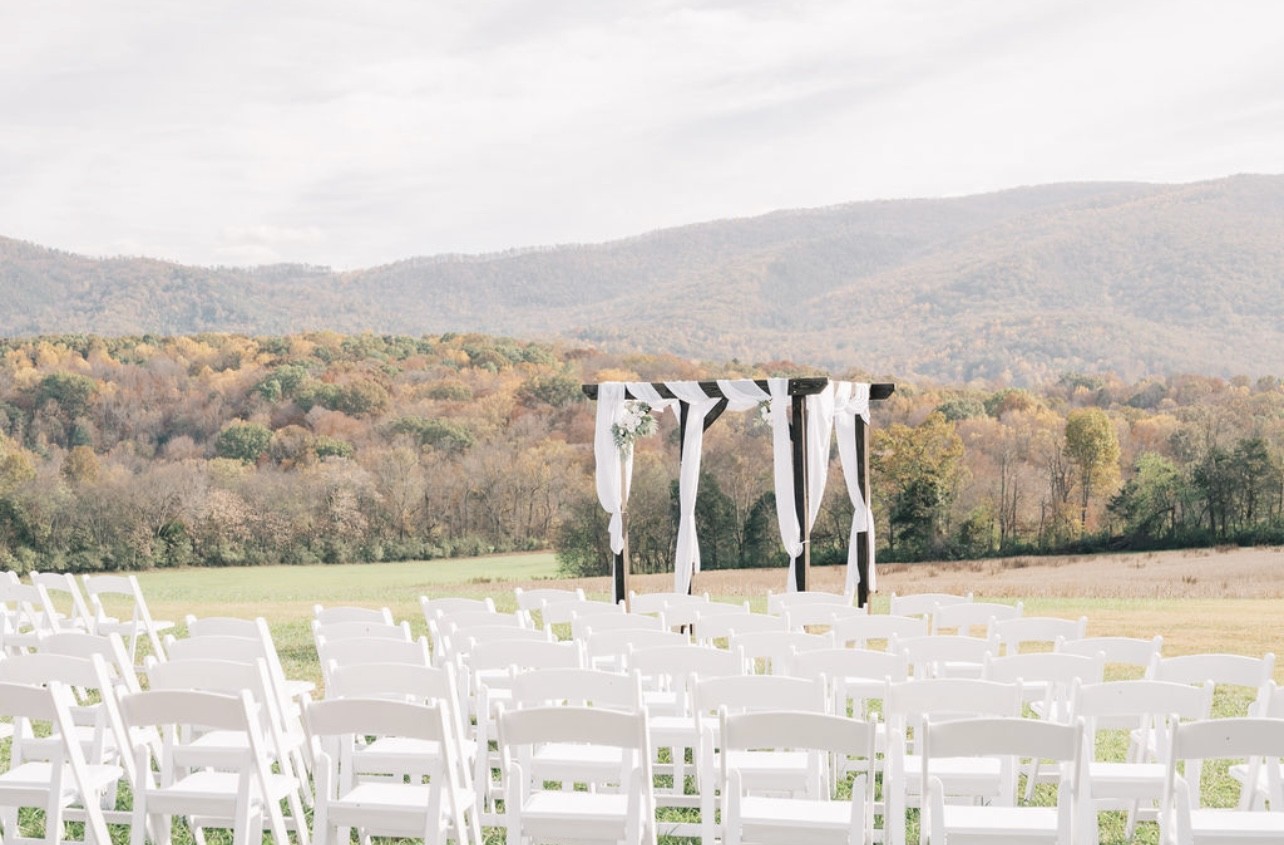
Rainiest Months in the Great Smoky Mountains, Explained
The mountains around East Tennessee don't follow the same weather rules as the rest of Tennessee. Rain here is its own creature. And if you're planning a luxury estate stay for a wedding ceremony, rehearsal dinner, or private event, knowing the wet months matters more than you'd think.
The Great Smoky Mountains receive roughly 55 inches of rain per year at lower elevations, according to the National Park Service. Higher ridgelines can see 85 inches or more. That's nearly double what most U.S. cities get.
The Wettest Window: March Through July
March kicks off the rainy stretch. Afternoon showers roll in fast, the creek rises, mist settles into the valley. By May and June, thunderstorms become a near-daily event in the mountains surrounding East Tennessee. July stays wet too, though storms tend to be shorter and more intense.
Here's how the rainiest months typically break down:
- March: Around 5.5 inches on average, often arriving as long, steady rain rather than quick bursts
- May: Roughly 5 inches, with late-afternoon thunderstorms that build over the ridgeline
- June and July: Each month brings 5 to 6 inches, mostly as pop-up storms that can appear and vanish within an hour
We see this pattern every single year. A couple will call us in early spring, worried about a June date. But here's what most people don't realize: summer rain in the Smokies rarely lasts all day. It sweeps through, the light shifts, and suddenly you're standing in golden hour with steam rising off the meadow. Some of our most beautiful moments on the estate grounds have happened ten minutes after a downpour.
The Drier Months That Surprise People
October gets all the attention for fall color, but it's also one of the driest months in the Smoky Mountains. September and October average around 3 inches each. That's nearly half what June brings.
Late fall into early winter stays relatively dry too. November typically sees about 4 inches.
So if rain is your biggest concern, an autumn stay at a luxury Smoky Mountain estate puts the odds firmly in your favor. The air is cool, the mornings carry that thin mountain mist across Sweetwater Creek, the light turns amber by four o'clock. It's a different world from summer.
Why Rain Doesn't Have to Change Your Plans
Here's something worth sitting with. Rain in the Smoky Mountains isn't the same as rain in a city. There's no traffic noise competing with it. No concrete reflecting gray light back at you. On the estate, rain sounds like it's supposed to sound, it hits the leaves and the creek answers back.
We've hosted wedding receptions and rehearsal dinners during every kind of weather. A covered gathering space, warm light from the chandeliers, the smell of our in-house catering team's menu drifting through the room. Rain outside just makes the warmth inside feel more intentional.
One family traveled from out of state for a private event last May. The forecast looked rough all week. But the storm passed by mid-afternoon, and their evening unfolded under clearing skies with fireflies starting up along the creek bank. They still talk about it.
The point isn't to avoid rain entirely. It's to understand the rhythm of it here so you can plan with confidence rather than anxiety. And that's exactly what our dedicated planning consultants help you do when you begin your experience with us.
Why Elevation Changes the Rain Picture More Than the Calendar Does
Most folks check the monthly forecast and think they've got the full story. They don't. Here in the Smoky Mountains and the surrounding Smoky Mountain foothills, elevation plays a bigger role in your weather than the date on the calendar ever will.
The Great Smoky Mountains receive more rainfall than almost any region east of the Mississippi. According to the National Park Service, the highest peaks can see over 85 inches of rain per year. But drop down to the valleys near East Tennessee, and that number falls closer to 47 to 50 inches annually. That's a massive difference across just a few miles of road.
How Orographic Lift Works Against You (or for You)
Warm, moist air moves in from the Gulf. It hits the mountains and gets pushed upward. As it rises, it cools, the moisture condenses into clouds, and rain falls on the higher slopes. This process is called orographic lift. It's the reason a ridgeline at 5,000 feet can be soaked while a valley at 1,200 feet stays dry.
We see this play out constantly with our guests. A couple will check the radar, see green over the Smokies, and worry their entire weekend is ruined. But the estate grounds sit in the foothills, where that same storm system often passes with nothing more than a brief shower or a soft mist rolling across the creek.
The difference is real and measurable:
- Clingmans Dome (6,643 feet) averages over 85 inches of rain per year
- Gatlinburg (around 1,300 feet) averages roughly 56 inches per year
- East Tennessee and the surrounding Cocke County valleys average closer to 48 inches per year
So the "rainiest months" conversation changes depending on where you're standing. A July afternoon at high elevation almost guarantees a thunderstorm. That same July afternoon in the Smoky Mountains's lower elevations? Often warm and clear until evening.
What This Means for Your Stay
Planning a wedding ceremony, rehearsal dinner, or private event here isn't the same as planning one on a mountaintop. And that's a good thing. Our lower elevation in the foothills near East Tennessee means we sit in a natural rain shadow for many storm systems. Morning mist on the ridgeline burns off by mid-morning. Afternoon storms that drench the peaks often lose their punch before reaching the valley floor.
But here's what most people don't realize until they've spent time on the land. Even when rain does arrive at our elevation, it tends to move through quickly. A 20-minute shower followed by golden light breaking through the clouds. Some of the most beautiful moments we've witnessed on the estate grounds happened right after a passing rain, the creek running full, everything green and alive, the air cool and clean.
Does this mean you should ignore the forecast entirely? Of course not. But it does mean you shouldn't let a regional weather map scare you away from a particular month. The Smoky Mountain weather story is really an elevation story, and the foothills around East Tennessee tell a gentler version of it.
If you're curious how our team plans around weather for each of our Experience tiers, our main page walks through everything from covered gathering spaces to the way our dedicated consultant builds flexibility into your timeline. It's worth a look before you start crossing months off your list.
Elevation is the variable most people overlook. Once you understand it, the " month" question gets a lot easier to answer.
What Rain Looks Like During a Smoky Mountain Stay
Here's what most people picture: a full day of gray skies and downpour. That's not how rain works in the Smoky Mountains and the surrounding Smoky Mountain foothills. Not even close.
Most rain here arrives in short bursts. A warm afternoon shower rolls through, lasts 20 or 30 minutes, then the sun breaks back open. Steam lifts off the pastures. The ridgeline sharpens against a clearing sky. We see it happen dozens of times each season from the estate grounds, and, those moments right after a rain are some of the most beautiful you'll ever witness in these mountains.
The Pattern You Can Expect
According to the National Weather Service, the Great Smoky Mountains region receives around 55 inches of rain annually at lower elevations near East Tennessee. But that number hides the real story. Rainfall here tends to follow a predictable daily rhythm during the warmer months:
- Mornings are typically clear and cool, with mist burning off by mid-morning
- Afternoon showers build between 2 and 5 PM, then pass quickly
- Evenings settle into calm, comfortable air that's perfect for gathering outdoors
So a "rainy day" in the Smokies rarely means a ruined day. It means a brief pause, a shift in light, a reason to linger over coffee on the porch a little longer.
What Our Guests Experience
We've hosted wedding ceremonies, rehearsal dinners, and private events through every kind of weather these mountains can produce. And here's what we've learned: rain almost never disrupts the experience the way people fear it will.
One couple last spring had a forecast showing 60 percent chance of rain on their ceremony day. They were nervous, understandably. What happened? A light shower passed through around 3 PM. By the time their 5 PM ceremony began, the air smelled like fresh-cut grass and wild honeysuckle. The creek was singing. Their photographer later said it was the light she'd captured all year.
That's not unusual. That's the norm.
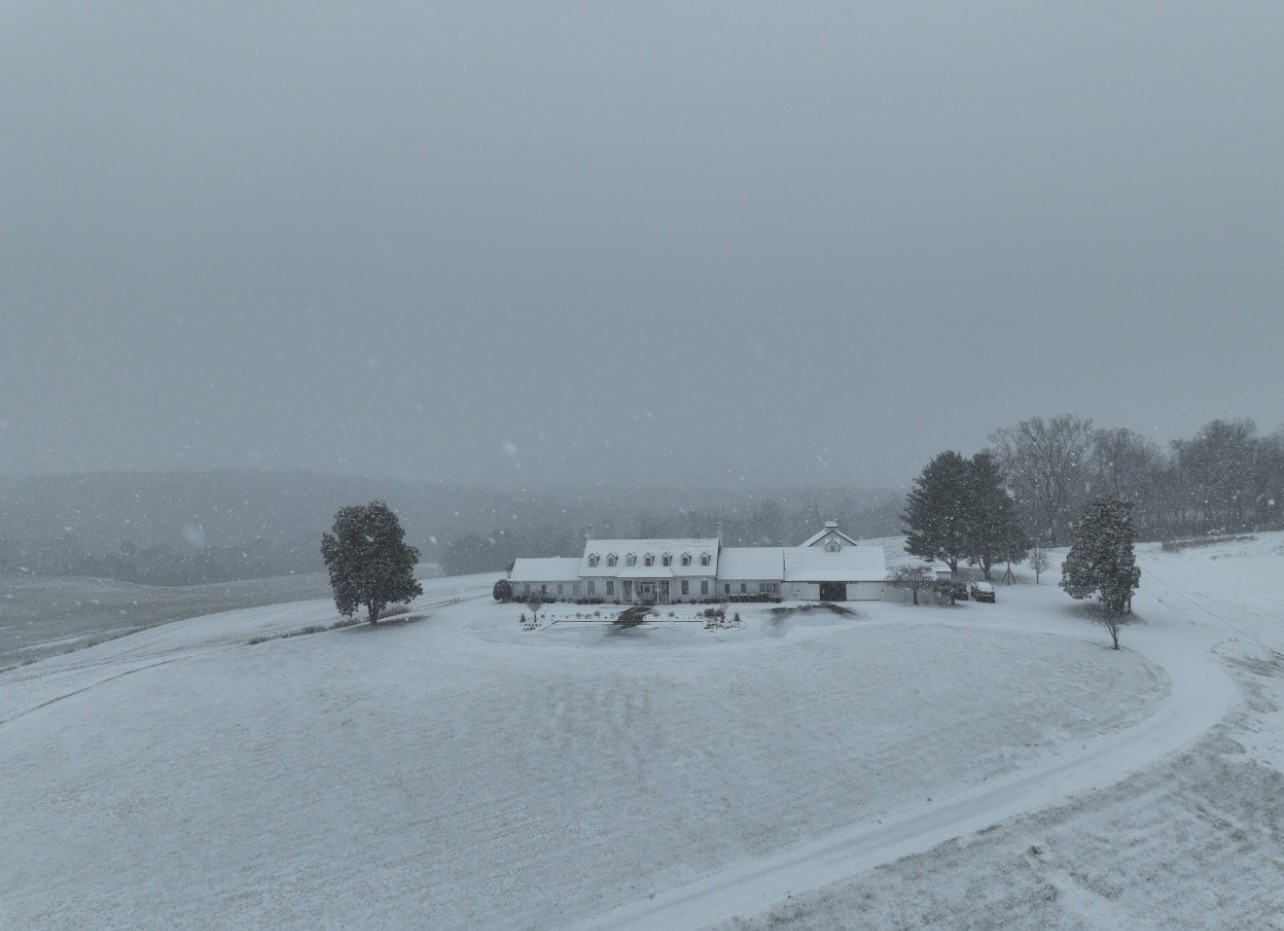
Winter rain is a different animal. December through February brings longer, steadier rainfall. Cold fronts can settle in for a full day. But winter rain at a luxury Smoky Mountain estate has its own charm. Imagine your family gathered around a table set by our in-house catering team, candlelight reflected in rain-streaked windows, the sound of Sweetwater Creek running high just outside. There's a warmth to it that sunshine can't replicate.
Why Rain Shouldn't Change Your Plans
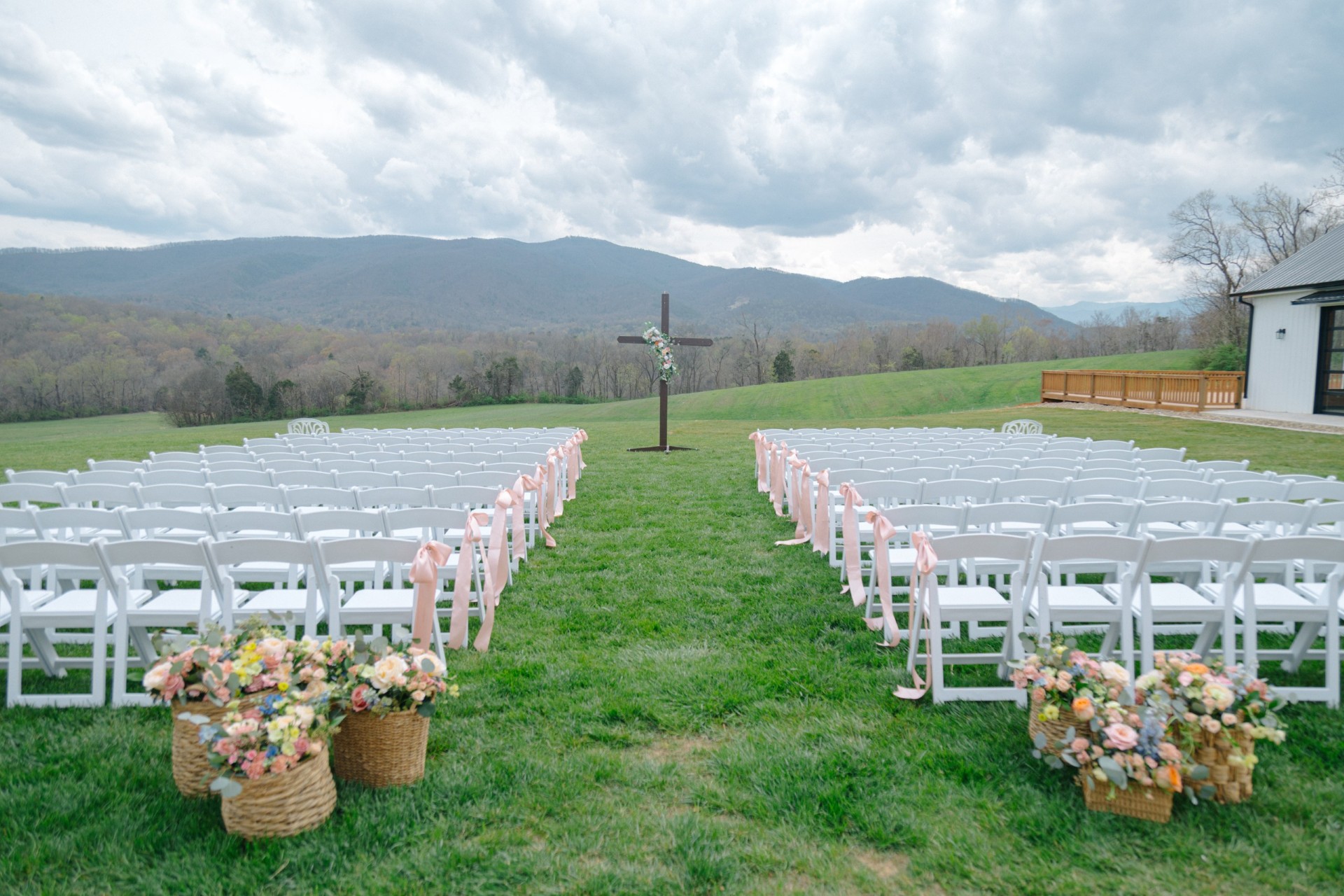
Most guests who reach out to us worry about one specific scenario: an outdoor ceremony getting rained out. We get it. But our dedicated consultant works through weather contingencies with every family long before the day arrives. The estate is designed for this landscape, this climate. Rain is part of the story here, not a disruption to it.
And the mountains themselves? They're called the Smokies because of moisture. That famous blue haze rising from the valleys near the French Broad River corridor is water vapor released by millions of trees. The EPA's guide to moisture and mold explains how humid air like this can affect buildings too. Take away the rain and you lose the very thing that makes this place feel like nowhere else on earth.
So when you're looking at a forecast and seeing rain icons lined up across your chosen week, take a breath. What you're really seeing is the promise of dramatic skies, richer greens, and air so clean it almost tastes sweet. Truly a special place doesn't stop being special because of a little water from the sky.
What should I plan for if my stay falls during a rainy month?
Plan for short bursts of rain, not all-day downpours. Between March and July, storms in the East Tennessee area tend to move through quickly, often clearing within twenty to thirty minutes. Pack layers, bring a light rain jacket, and choose a stay with covered outdoor spaces for backup. Most guests find the rain adds mist and cooler air rather than ruining their plans. If you're weighing which month fits your event best, our luxury Smoky Mountain estate stay guide walks through seasonal options in more detail.
Is it true that rain ruins outdoor events in the Smoky Mountains?
No, that's a common myth. Rain here rarely lasts all day, even during the wettest months of May and June. Storms typically pass within an hour, and the light afterward often turns golden and clear. Many couples worry about their date for weeks, only to enjoy a beautiful evening after a brief afternoon shower. The key is choosing a venue with indoor and covered options, so the weather never controls your timeline.
Why does East Tennessee get less rain than the higher mountain peaks nearby?
East Tennessee sits at a lower elevation, so it receives less rainfall than the ridgelines above it. Warm, moist air rises up the mountainside and cools, dropping most of its moisture on peaks like Clingmans Dome, which averages over 85 inches a year. Down in the East Tennessee valley, that number falls closer to 48 inches annually. This process, called orographic lift, means storms often weaken before reaching lower ground near town.
When is the driest time of year to plan a stay near East Tennessee?
October is typically the driest month, averaging around 3 inches of rain. September comes in close behind, and November stays fairly dry too, at about 4 inches. That's roughly half the rainfall you'd see in June. If avoiding rain is your top priority, an autumn visit gives you the best odds, along with cooler air and morning mist along the creek.
Do afternoon thunderstorms in June or July affect evening plans?
Usually not for long. Summer storms in the East Tennessee area tend to build fast, drop rain quickly, then clear within an hour. Evening events often continue right on schedule once the sky opens back up. Guests are frequently surprised to see clear skies and fireflies appearing shortly after a downpour. Checking hourly forecasts, rather than the daily outlook, gives you a much clearer picture of what to expect.